

On a Sunday afternoon back in 1990, when I was eight years old, I was playing in a basketball game at a local elementary school gym in Baltimore, Maryland. It was a big game for my team, and the gym was packed with cheering fans. With two seconds left to go in the game and with my team down one point, I jumped, grabbed a rebound, and shot the ball into the hoop to score the game-winning shot.
Amidst wild cheers, I ran over towards the stands where my father was sitting, and pumped my hands in the air as if I was the greatest basketball player on earth. My father gave me a huge hug and kiss as only he could, and then we walked out to the parking lot. As he began driving, my father told me how proud he was of me for playing so well. What he said next taught me a life lesson that I have never forgotten. He explained to me that my exuberant “hand pumping” reaction was inappropriate. He said, “No matter what happens, you must always stay humble and understand that your talent is from G‑d.”
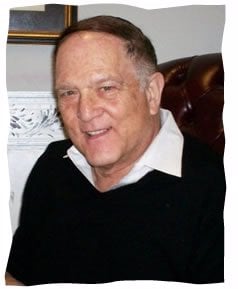
My father was a successful lawyer who won many high-profile cases, and his strong Jewish identity and commitment to Judaism always shaped the way he practiced law and treated others. His office was a one-stop shop for anyone and everyone who needed support, legal help, advice, or even just to hear a funny joke. You see, my father’s main priority was not racking up materialistic success, because he primarily saw himself as an emissary for G‑d in the courtroom.

He backed up his beliefs with action. He was the first lawyer to proudly wear his kippah in court in Maryland, back in the early 1970s, when the practice of wearing a kippah in a public workplace was highly uncommon. Another time, towards the end of a very drawn-out and high-profile trial, he realized that the sun was setting and he had not yet recited the afternoon prayers. Despite the tense atmosphere in the packed courtroom, he raised his hand and asked the judge for a ten-minute break so he could say the afternoon prayers. The judge obliged, and even gave him the keys to his personal chamber so he could pray without distractions.
Over the years, he used his position to do countless acts of kindness. He helped thousands of people, regardless of their race, gender, background, or affiliation, when their lives seemed hopeless, and did so many times without asking for compensation. He also worked diligently to help Chabad of Baltimore regain the rights to their cemetery after it was taken out of their possession for years, as well as to acquire the necessary zoning permit for the local Chabad House.
Another time, he found out that there was a Jew who was sentenced to prison for a white-collar crime.
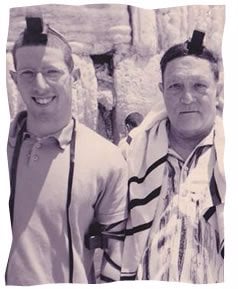
My father’s humbleness, commitment to his beliefs, and innate desire to do good earned him the respect of his colleagues, the judges who tried his cases, and his diverse client base. My father also possessed uncanny abilities to see to the crux of an issue and come up with a viable solution, as well as to say just the right comment at the right time. That is why, one day, a judge who was overwhelmed with cases chose my father out of a roomful of lawyers to be appointed as a temporary judge. She handed over a pile of case files, and within just a short time, “Ish Tov” pronounced all the cases closed and returned the files to the appreciative judge.
The same message he taught me years ago after the game was the same message by which he lived each day, and by which he expected me to live as I grew older. Once, when I was really tense before a big college basketball game, I called him on the phone and told him how nervous I was for the game. His response was that if I prayed that day, then I had nothing to worry about. He said, “If you are able to stand and pray in front of G‑d, then there is nothing in this world that you need to fear.” Time and time again, his unwavering faith instilled me with confidence to go out and use my own talents to try and serve my Creator.
What is truly remarkable about my father, and what made him a real ish tov to everyone with whom he interacted, is that no matter where he was or what he was doing, he conducted his business with a smile on his face, a joke on the tip of his tongue and complete faith in G‑d. My father’s legacy is an inspirational reminder to focus on what is truly important in life: family, kindness, sanctifying G‑d through our unique talents, humility, judging others favorably, and of course, always being filled with joy!



Join the Discussion